
The best dash cam for night driving is the one that can handle dark roads, oncoming headlights, poorly lit parking lots, and high-contrast scenes — not simply the model with the highest resolution.
Moon Picke compared manufacturer specifications, imaging hardware, night-oriented features, parking-mode documentation, and current Amazon availability. We have not independently road-tested these cameras at night. For the broader shortlist, see Best Dash Cams for 2026 and how Moon Picke evaluates products.
As an Amazon Associate I earn from qualifying purchases.
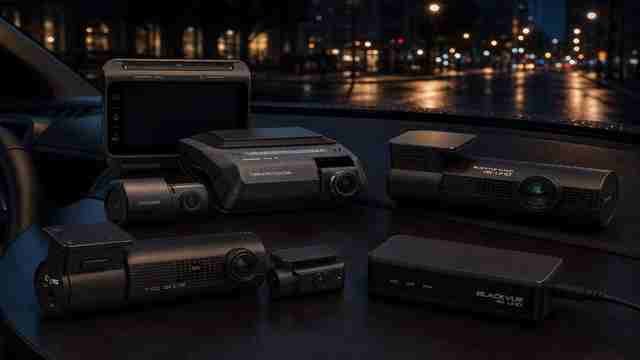
Best Dash Cam for Night Driving: Quick Picks
| Product | Best For | Front / Rear | Sensor | HDR | Key Night Feature | Parking Mode | Main Trade-Off |
|---|---|---|---|---|---|---|---|
| Thinkware U3000 PRO 2CH | Best overall night driving | 4K / 2K | STARVIS 2 IMX678 + IMX675 | Front and rear (driving) | Super Night Vision 4.0 | Radar, motion, time-lapse, energy saving | Parking needs OBD or hardwire |
| BlackVue ELITE 10-2CH | Best premium dual-4K night coverage | 4K / 4K | STARVIS 2, both cameras | Front only | F/1.7 lenses, 4K rear | Smart parking; add-on for constant power | Rear HDR is not documented |
| Thinkware ARC900 2CH | Best night pick with a screen | 4K / 2K | STARVIS 2 IMX678 + IMX675 | Front and rear (driving) | Super Night Vision 4.0 + 3.5″ display | Radar module in this Amazon bundle | Larger body; LTE/radar extras to manage |
| BlackVue DR970X-2CH LTE Plus II | Best after-dark parking alerts | 4K / Full HD | STARVIS 2 front, STARVIS rear | Front | F/1.7 front, built-in LTE | Buffered parking with SIM/cloud setup | Rear is Full HD STARVIS, not STARVIS 2 |
| BlackVue DR970X Box-2CH Plus | Best discreet night install | 4K / Full HD | STARVIS 2 front, STARVIS rear | Not specified as dual HDR | Hidden recorder, high front bitrate | Parking supported; more wiring | Rear night hardware is a generation behind |
Check current night-driving dash cam prices on Amazon →
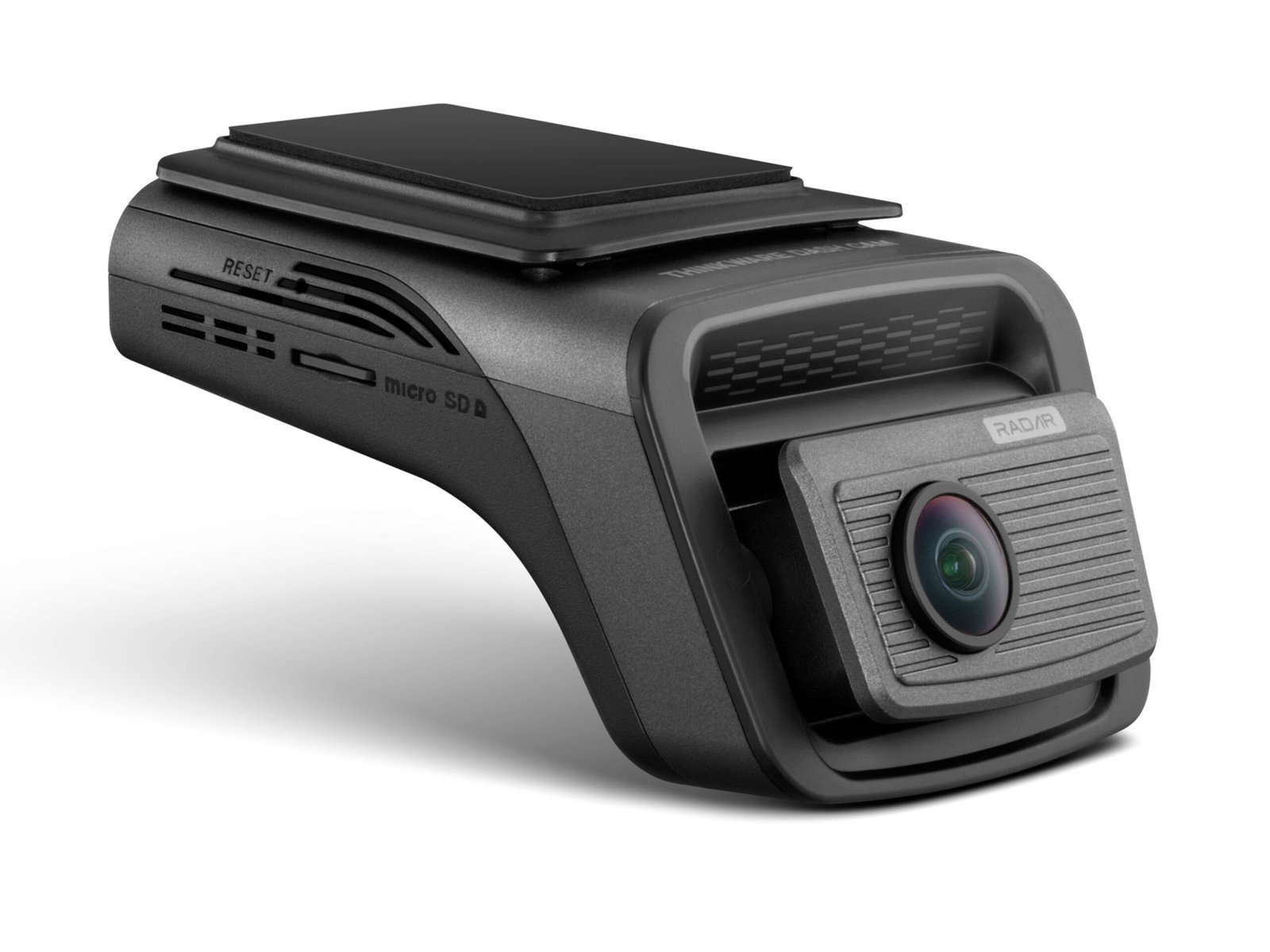
Thinkware U3000 PRO
Why It Stands Out at Night
- Front: 4K UHD at 30 fps or 2K QHD at 60 fps; Sony STARVIS 2 IMX678 (8.4 MP)
- Rear: 2K QHD at 30 fps; Sony STARVIS 2 IMX675 (5.14 MP)
- HDR: driving only; front in 4K mode and rear
Affiliate link. Moon Picke may earn a commission from qualifying purchases.
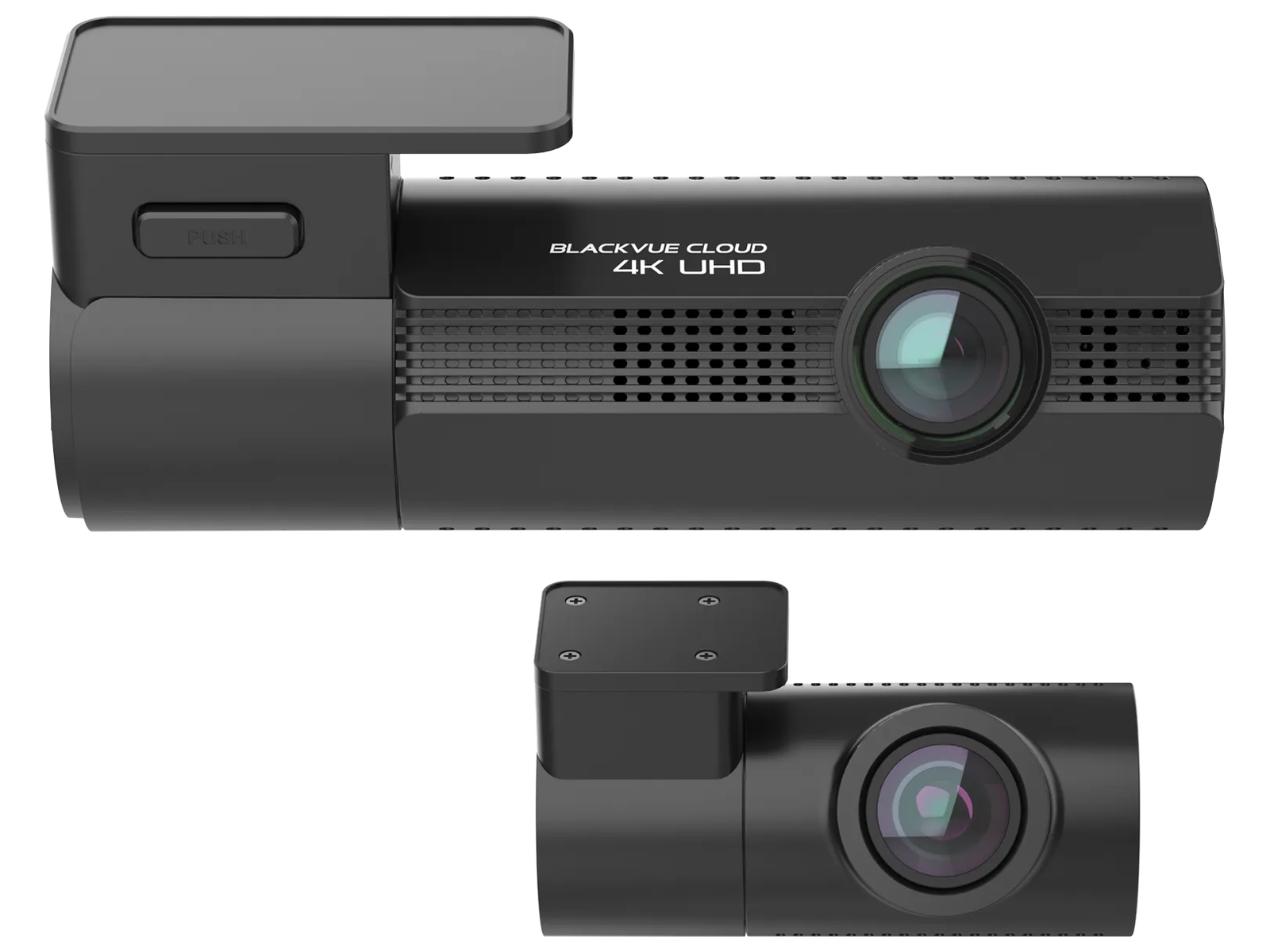
BlackVue ELITE 10-2CH
Why It Stands Out at Night
- Front and rear: 4K UHD at 30 fps
- Sensors: Sony STARVIS 2, approximately 5 MP each (official spec sheet)
- Lens: F/1.7, 8-element design; 146° diagonal
Affiliate link. Moon Picke may earn a commission from qualifying purchases.
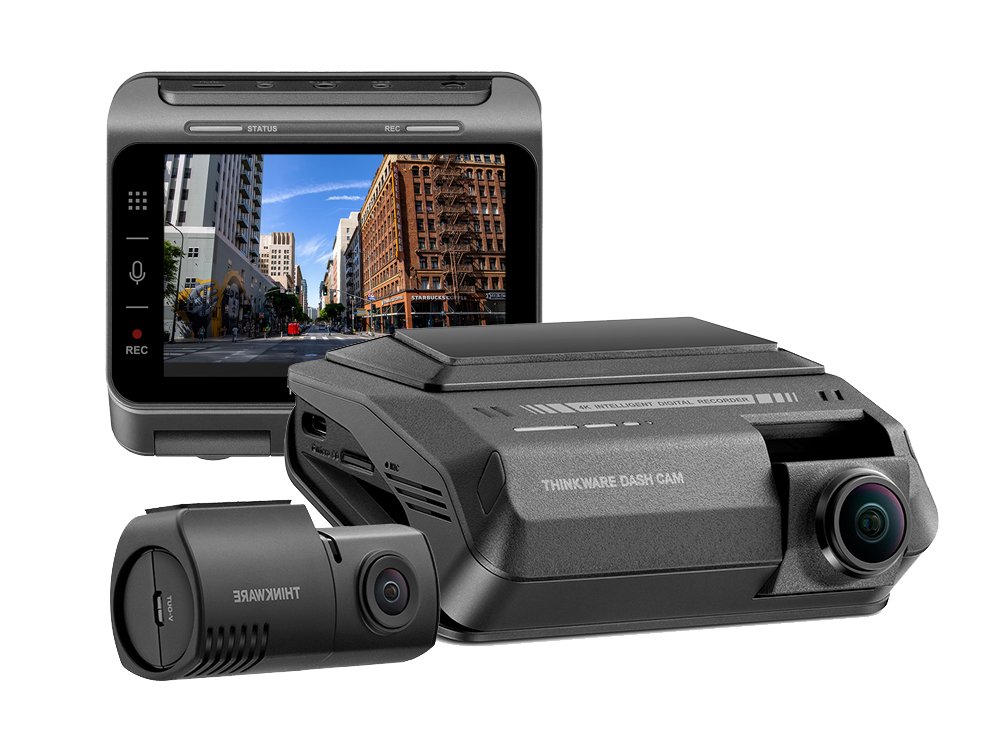
Thinkware ARC900
Why It Stands Out at Night
- Front: 4K at 30 fps or 2K at 60 fps; rear: 2K at 30 fps (2K+Full HD at 60 fps is also documented)
- Sony STARVIS 2 IMX678 + IMX675
- HDR driving-only; Super Night Vision 4.0 front and rear
Affiliate link. Moon Picke may earn a commission from qualifying purchases.
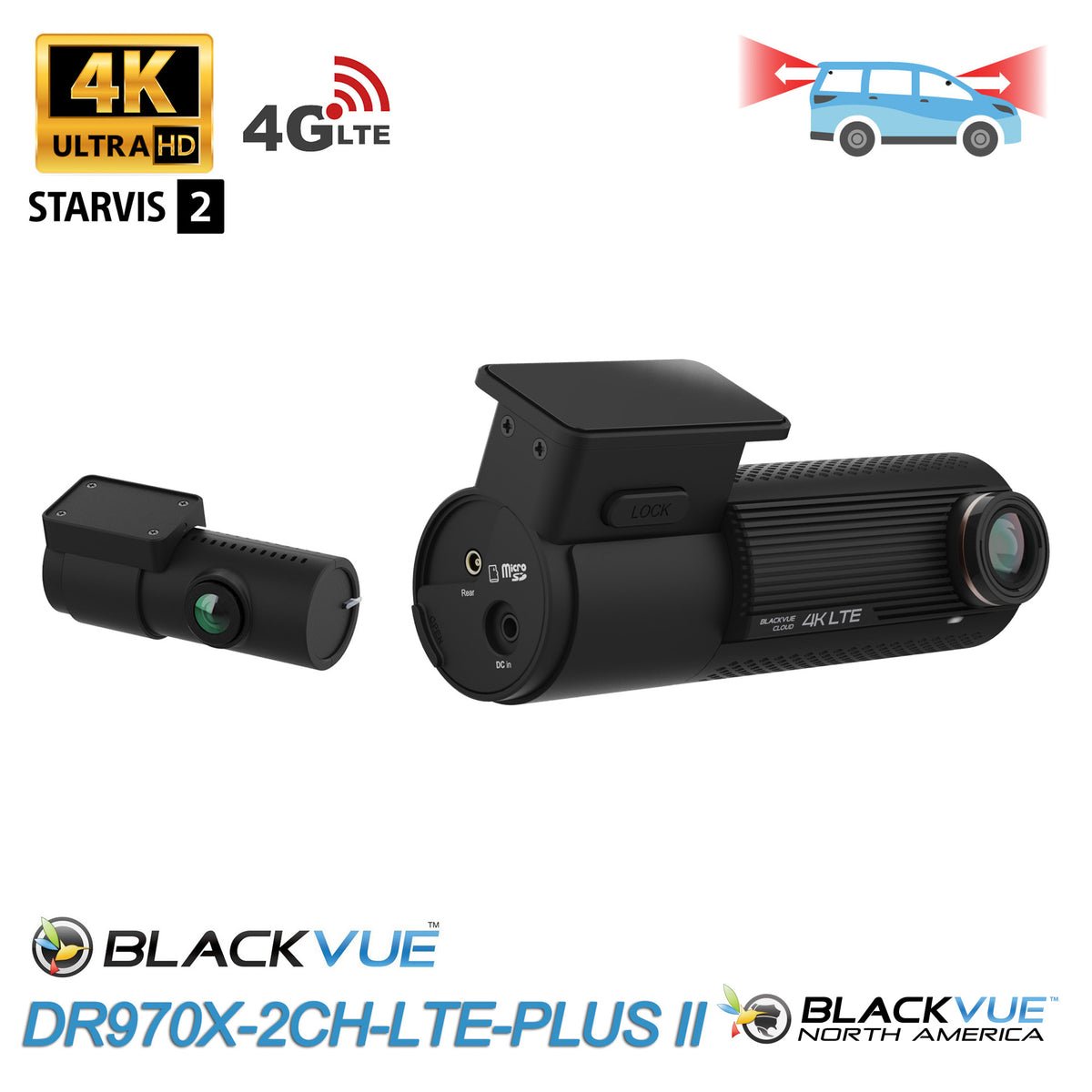
BlackVue DR970X LTE Plus II
Why It Stands Out at Night
- Front: 4K at 30 fps; Sony STARVIS 2, approximately 8.4 MP
- Rear: Full HD at 30 fps; Sony STARVIS, approximately 2.1 MP
- Front HDR; H.265/H.264; front bitrate up to 60 Mbps in Extreme/HEVC
Affiliate link. Moon Picke may earn a commission from qualifying purchases.
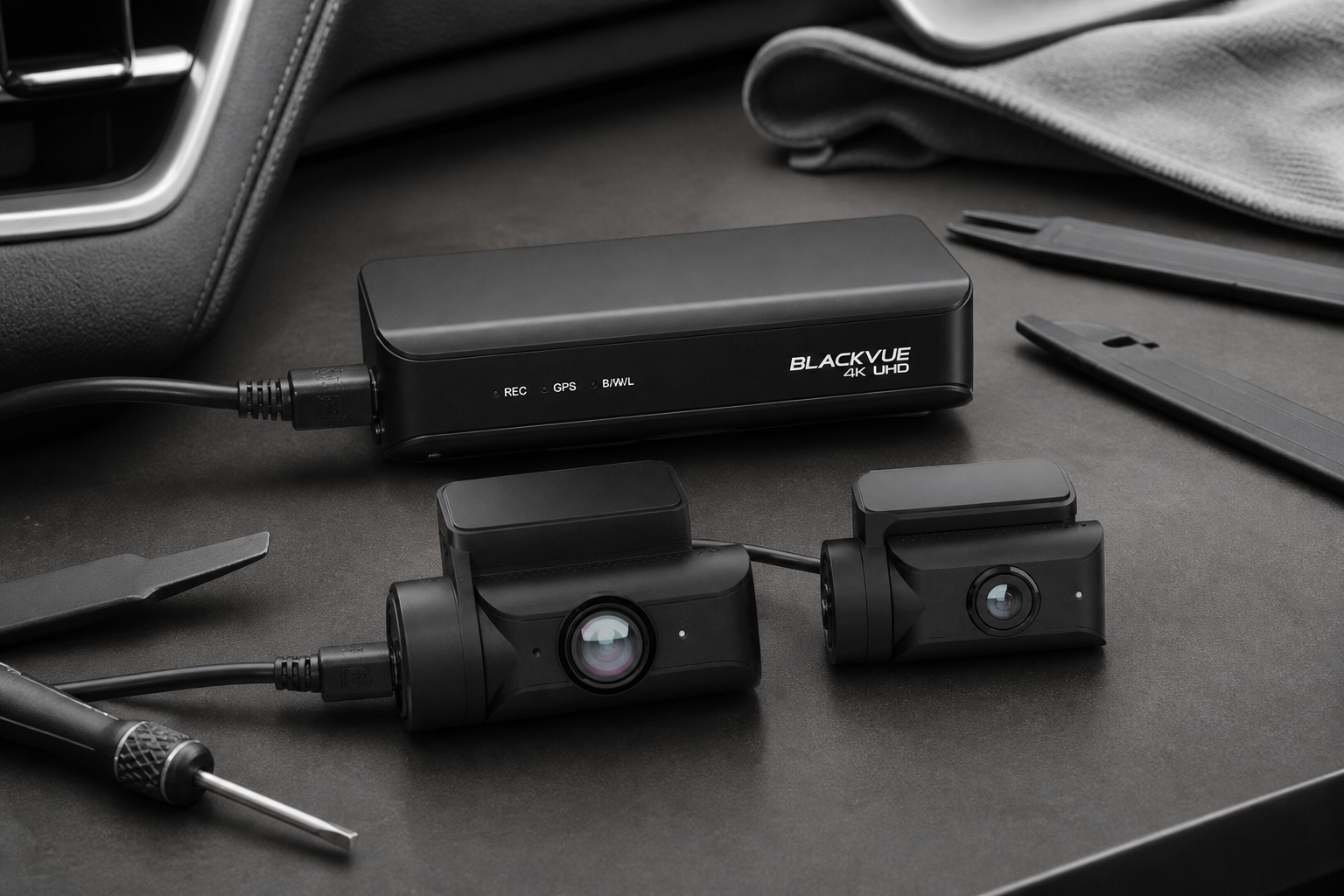
BlackVue DR970X Box-2CH Plus
Why It Stands Out at Night
- Front: STARVIS 2, approximately 8.3 MP, 4K at 30 fps
- Rear: STARVIS, approximately 2.1 MP, Full HD at 30 fps
- Optional interior IR camera uses 940 nm LEDs for cabin recording, not the road
Affiliate link. Moon Picke may earn a commission from qualifying purchases.
How We Chose the Best Dash Cams for Night Driving
This is a night-driving shortlist, not a rewrite of the general 2026 roundup. We screened for the best dash cam for night driving using documented low-light hardware for a dash cam for dark roads: STARVIS / STARVIS 2 sensors, HDR, usable rear-camera night specs, after-dark parking, and a current Amazon path. A best night vision dash cam listing still has to survive headlights, tint, and installation. A sensor name is not a road test.
Best Overall for Night Driving — Thinkware U3000 PRO 2CH
Why It Stands Out at Night
Thinkware documents dual STARVIS 2 sensors, dual HDR during driving, and Super Night Vision 4.0 on both cameras: a 4K front IMX678, a 2K rear IMX675, and processing designed to brighten dark scenes rather than relying on resolution alone.
Check the Thinkware U3000 PRO on Amazon →
Key Specifications
- Front: 4K UHD at 30 fps or 2K QHD at 60 fps; Sony STARVIS 2 IMX678 (8.4 MP)
- Rear: 2K QHD at 30 fps; Sony STARVIS 2 IMX675 (5.14 MP)
- HDR: driving only; front in 4K mode and rear
- Super Night Vision 4.0 for continuous, parking, or both, per the owner’s manual
- Viewing angle: 147° front / 156° rear (diagonal)
- microSD up to 512 GB; H.265; GPS, Wi-Fi, Bluetooth, dual radar
- Amazon configuration includes a 64 GB card and OBD cable; verify the exact bundle at checkout
Night-Driving Strengths
STARVIS 2 on both ends matters for after-dark rear-end incidents. Dual HDR is documented to balance bright lights and darker road areas while driving. Super Night Vision 4.0 is a selectable ISP feature, not infrared road lighting. Thinkware includes a CPL filter, which can reduce windshield reflections that wash out night footage.
Important Trade-Offs
HDR is listed as driving-only. Parking surveillance needs the included OBD cable or a hardwire kit. The optional LTE module and interior infrared cabin camera cannot run at the same time. Thinkware’s marketing mentions readable plates; treat that as a manufacturer claim, not a guaranteed night result.
Best For
Drivers who want a daily front-and-rear night system and will actually install constant-power parking mode.
Best Premium Dual-4K Night Pick — BlackVue ELITE 10-2CH
Why It Stands Out at Night
If rear night coverage matters as much as the front, the ELITE 10 is the only camera here with documented 4K recording from both cameras and STARVIS 2 sensors on both ends. BlackVue lists F/1.7 lenses front and rear — a wider aperture can allow more light to reach the sensor than a narrower lens of similar design.
Check the BlackVue ELITE 10-2CH on Amazon →
Key Specifications
- Front and rear: 4K UHD at 30 fps
- Sensors: Sony STARVIS 2, approximately 5 MP each (official spec sheet)
- Lens: F/1.7, 8-element design; 146° diagonal
- HDR: front only
- H.265/H.264; dual-band Wi-Fi; built-in dual-band GPS; microSD up to 1 TB
- Parking add-on required for constant-power parking; 64 GB card listed in the current Amazon title
Night-Driving Strengths
A 4K rear camera with STARVIS 2 and an F/1.7 lens is a clearer night-rear specification than Full HD STARVIS on the DR970X models. Front 4K HDR is positioned for headlights, tunnels, and other high-contrast scenes. Dual 4K also leaves more pixels if you later crop a dark frame.
Important Trade-Offs
Rear HDR is not listed. Dual 4K increases storage demand. Cloud/LTE needs an optional module or hotspot. Parking mode is a system, not a theft deterrent.
Best For
Buyers who want the best front and rear dash cam for night driving when both directions should stay at 4K, and who will budget for a high-endurance card and correct power.
Best Night Pick With a Screen — Thinkware ARC900 2CH
Why It Stands Out at Night
The ARC900 uses the same documented STARVIS 2 pairing as the U3000 PRO — IMX678 front and IMX675 rear — plus Super Night Vision 4.0, dual HDR in driving, and a 3.5-inch IPS touchscreen. For night driving, a screen is useful for confirming the camera can see past the windshield tint band, defroster lines, and dash reflections before you leave the driveway.
Check this Thinkware ARC900 Amazon configuration →
Key Specifications
- Front: 4K at 30 fps or 2K at 60 fps; rear: 2K at 30 fps (2K+Full HD at 60 fps is also documented)
- Sony STARVIS 2 IMX678 + IMX675
- HDR driving-only; Super Night Vision 4.0 front and rear
- 3.5″ IPS touchscreen (800 × 480)
- microSD up to 512 GB; 5 GHz Wi-Fi; built-in GPS
- This Amazon listing includes LTE and radar modules plus a 64 GB card and hardwiring cable; confirm the bundle
Night-Driving Strengths
Night hardware matches the U3000 PRO’s sensor class, with on-unit review instead of phone-only setup. The current listing’s radar module supports low-power parked detection after dark. Dual HDR is again documented for driving, which is the headlight-glare scenario.
Important Trade-Offs
The body is larger than a typical puck camera. LTE uses data and a subscription for connected features. Radar is a module on this model, not built into the camera housing like the U3000 PRO. Stock can be limited.
Best For
Drivers who want Super Night Vision 4.0 and dual STARVIS 2, but prefer a screen to aim the camera on a dark windshield.
Best for After-Dark Parking Alerts — BlackVue DR970X-2CH LTE Plus II
Why It Stands Out at Night
Night driving does not end when you park. This model documents a STARVIS 2 front camera at 4K, front HDR, an F/1.7-class front lens in BlackVue’s product materials, and a built-in LTE modem for remote alerts. It is the connectivity pick, not the strongest rear-night camera.
Check the BlackVue DR970X LTE Plus II on Amazon →
Key Specifications
- Front: 4K at 30 fps; Sony STARVIS 2, approximately 8.4 MP
- Rear: Full HD at 30 fps; Sony STARVIS, approximately 2.1 MP
- Front HDR; H.265/H.264; front bitrate up to 60 Mbps in Extreme/HEVC
- Built-in nano-SIM LTE (North American carrier limits apply; SIM not included)
- Wi-Fi, GPS, parking mode with hardwire; cloud features require service and an account
Night-Driving Strengths
The front path uses STARVIS 2, HDR, and high bitrate for dark highways and headlight contrast. LTE can send impact or motion notices after dark. That does not prevent vandalism; it only changes how quickly you learn something happened.
Important Trade-Offs
The rear camera is Full HD STARVIS, not STARVIS 2. Rear tint, heating lines, and dirt hurt night rear footage on any model, and a weaker rear sensor makes that more noticeable. Confirm T-Mobile/band support before buying for U.S. LTE.
Best For
Owners who want a night-capable 4K front camera and remote parking alerts more than a 4K rear camera.
Best Discreet Night Install — BlackVue DR970X Box-2CH Plus
Why It Stands Out at Night
The Box system puts the recorder in a lockable unit and keeps smaller cameras on the glass. Front recording is documented as STARVIS 2 at 4K with a high Extreme bitrate. For night driving, a hidden recorder can matter if you park in dark lots where a visible puck is an invitation to smash-and-grab the camera itself.
Check the BlackVue DR970X Box-2CH Plus on Amazon →
Key Specifications
- Front: STARVIS 2, approximately 8.3 MP, 4K at 30 fps
- Rear: STARVIS, approximately 2.1 MP, Full HD at 30 fps
- Optional interior IR camera uses 940 nm LEDs for cabin recording, not the road
- microSD up to 512 GB; Wi-Fi; external GPS; 12 V adapter and hardwiring cable documented
- Cloud via optional LTE, not built-in
Night-Driving Strengths
Front STARVIS 2 at 4K with a high documented bitrate is a serious night-front specification. Tamper-resistant mounting is a practical night-parking feature. Interior IR is available if cabin evidence after dark is a separate need.
Important Trade-Offs
Rear night hardware is the older STARVIS Full HD sensor. Installation is the most involved in this list. Do not assume front and rear night footage will look similar.
Best For
Buyers who want a 4K STARVIS 2 front camera at night and a less obvious recorder, and who will pay for professional cable routing.
What Actually Matters for Dash Cam Night Vision?
Night video is an exposure problem: collect enough light, hold headlight highlights, and keep shutter speed fast enough that moving objects do not smear. Sensor technology, aperture, HDR, processing, bitrate, and the windshield all participate. STARVIS 2 is positioned for improved low-light imaging versus first-generation STARVIS, but the spec-sheet brand does not guarantee the final file.
4K adds samples, not photons. In darkness, a noisy 4K file can look worse than a cleaner 2K file. Dirty glass, the windshield tint band, and rear defroster lines steal night detail. A CPL filter can cut reflections; it can also reduce light, so some owners remove it after dark.
Sony STARVIS vs STARVIS 2 for Night Driving
Thinkware’s U3000 PRO and ARC900 use STARVIS 2 front and rear. The ELITE 10 uses STARVIS 2 on both cameras. The DR970X LTE Plus II and Box Plus use STARVIS 2 in front and first-generation STARVIS in the rear. A strong STARVIS 2 front camera can still leave a weaker rear file on tinted glass, so dual STARVIS 2 is the more coherent night-rear specification.
Is 4K Always Better at Night?
No. 4K helps when the sensor, lens, HDR, and bitrate can support it. The ELITE 10 keeps both channels at 4K. The Thinkware models use 4K front with 2K rear, still stronger than Full HD at night. If heat or file size become a problem, Thinkware’s documented 2K 60 fps front mode can be a better night compromise than a struggling 4K stream.
Does HDR Help With Headlights and License Plates?
An HDR dash cam for night driving is designed to combine or process bright and dark areas so headlights do not erase the rest of the frame. Thinkware documents dual HDR in driving. BlackVue documents front HDR on the ELITE 10 and DR970X LTE Plus II.
HDR does not guarantee readable plates. Night plate capture depends on speed, angle, reflectivity, exposure, distance, weather, and settings. Treat plates as a difficult real-world scenario. A camera can still be the best dash cam for night driving without promising every plate in the opposite lane.
Front vs Rear Camera Night Performance
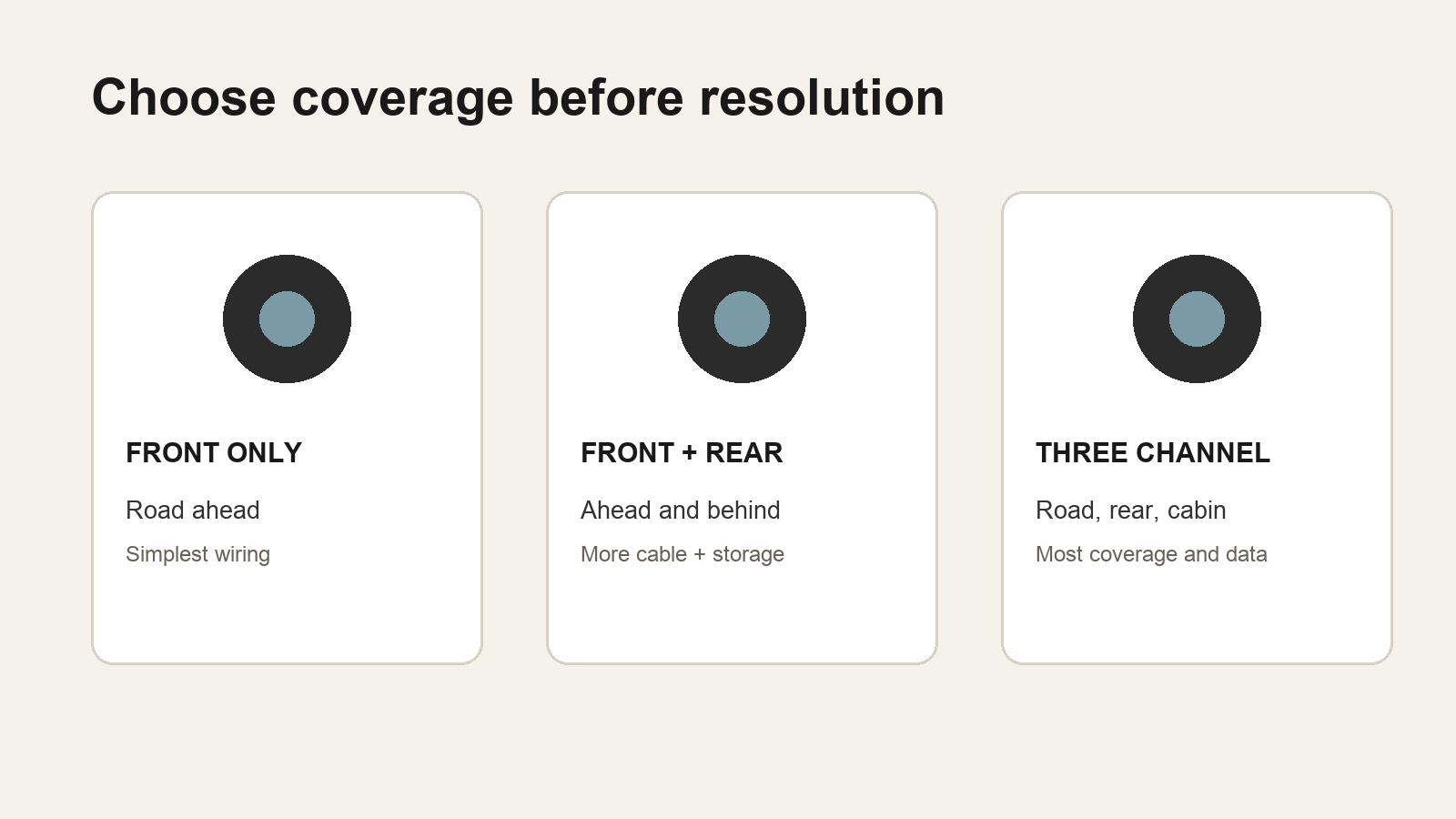
Front cameras usually get the better sensor, HDR, and bitrate. Rear cameras face tint, defroster lines, dirt, and rain on the rear glass. The ELITE 10 is the exception on resolution; the Thinkware models keep STARVIS 2 on the rear at 2K; the DR970X pair drop to Full HD STARVIS.
Place the rear camera on a clean, unheated patch of glass when possible. Do not assume the night file from behind will match the front, even on dual-4K hardware, because HDR may still be front-only.
Do You Need Infrared for Night Driving?
Infrared LEDs help cabin cameras see passengers in the dark. They do not light the road through the windshield. Optional Thinkware and BlackVue interior IR modules are cabin tools, not outward night-driving hardware.
Parking Mode After Dark
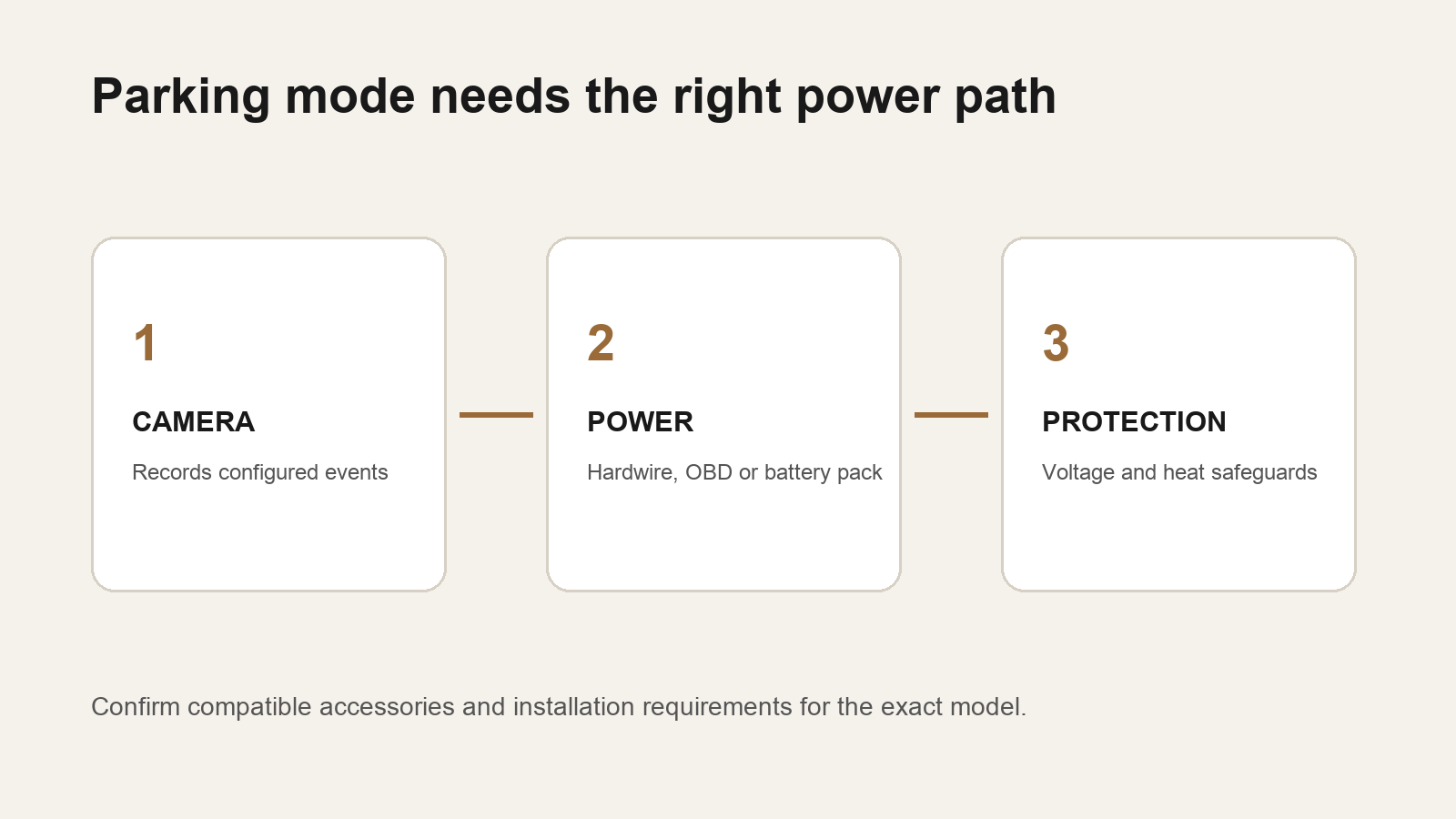
After-dark parking is a power-and-trigger problem. Buffered or radar modes can capture a clip around an impact or nearby motion. Time-lapse and low-bitrate modes stretch card and battery life. Hardwire kits, OBD cables, or battery packs are usually required. Voltage cutoff protects a weak car battery; it does not make parking mode a security system.
If you hardwire through the OBD port, confirm vehicle compatibility. For diagnostic-port context, see our OBD2 scanner guide.
What to Check Before Buying a Night Driving Dash Camera
Use this list when choosing the best dash cam for night driving. Confirm the exact Amazon configuration and these details:
- Exact front and rear sensors (STARVIS vs STARVIS 2)
- Whether HDR is front-only or dual, and whether it works while driving
- Aperture, if the manufacturer publishes it
- Front/rear resolution and simultaneous recording mode
- CPL filter included or optional
- Parking mode type and required power cable
- microSD maximum, included card, and high-endurance requirement
- GPS, app, cloud/LTE, and any subscription
- Warranty and the exact Amazon configuration
- Windshield placement: tint band, wiper sweep, and rear defroster lines
Which Night-Driving Dash Cam Should You Buy?
Choose the Thinkware U3000 PRO if you want the best dash cam for night driving as a balanced daily system: dual STARVIS 2, dual driving HDR, Super Night Vision 4.0, and radar parking.
Choose the BlackVue ELITE 10 if dual-4K STARVIS 2 coverage is the priority and you accept front-only HDR.
Choose the Thinkware ARC900 if you want the same Thinkware night sensor class with a screen, and this LTE/radar Amazon bundle matches how you park.
Choose the DR970X LTE Plus II if remote after-dark alerts matter more than a STARVIS 2 rear camera.
Choose the DR970X Box Plus if a hidden recorder is the night-parking problem you want to solve.
Final Verdict
For most buyers hunting the best dash cam for night driving, the Thinkware U3000 PRO is the most complete documented night package: dual STARVIS 2, dual driving HDR, Super Night Vision 4.0, and a 2K rear channel. The BlackVue ELITE 10 is the strongest alternative for 4K behind the car. For a simpler daytime camera, start with Best Dash Cams for 2026.
Compare current night-driving dash cam listings on Amazon →
Frequently Asked Questions
What is the best dash cam for night driving?
Based on documented dual STARVIS 2 sensors, dual driving HDR, and Super Night Vision 4.0, the Thinkware U3000 PRO is this guide’s overall pick. Dual 4K, LTE alerts, a screen, or a hidden recorder can still change the answer.
Does STARVIS 2 improve night recording?
Sony positions STARVIS 2 for stronger low-light imaging than first-generation STARVIS. It is relevant hardware, not a finished-quality guarantee. Lens, HDR, bitrate, and installation still matter.
Is 4K better for dash cams at night?
4K can hold more detail when exposure is good. It is not automatically better in darkness if the sensor path is noisy or bitrate is low.
Can dash cams read license plates at night?
Sometimes, in favorable conditions. No model here should be bought on a promise of reliable nighttime plate capture. Speed, glare, angle, and plate reflectivity can defeat any consumer camera.
Does HDR help dash cams at night?
HDR is designed to keep both headlights and darker road areas usable. It does not replace a strong sensor, and it does not guarantee plates.
Do I need infrared night vision?
Only for cabin recording. IR does not light the road through the windshield.
Are rear dash cams good at night?
Only if the rear sensor, aperture, and HDR are documented as seriously as the front. A STARVIS 2 dash cam with a Full HD first-generation STARVIS rear camera usually looks weaker behind tinted glass.
What is the best dash cam for nighttime driving if I also want dual 4K?
The BlackVue ELITE 10 is this guide’s pick when the best dash cam for nighttime driving also needs documented 4K STARVIS 2 coverage in both directions.
Sources: Thinkware U3000 PRO, Thinkware ARC900, BlackVue ELITE 10-2CH, ELITE 10 specifications, DR970X LTE Plus II specifications, DR970X Box Plus specifications. Read our Affiliate Disclosure.