
A Practical Look at Sony XAV-AX8500 installation
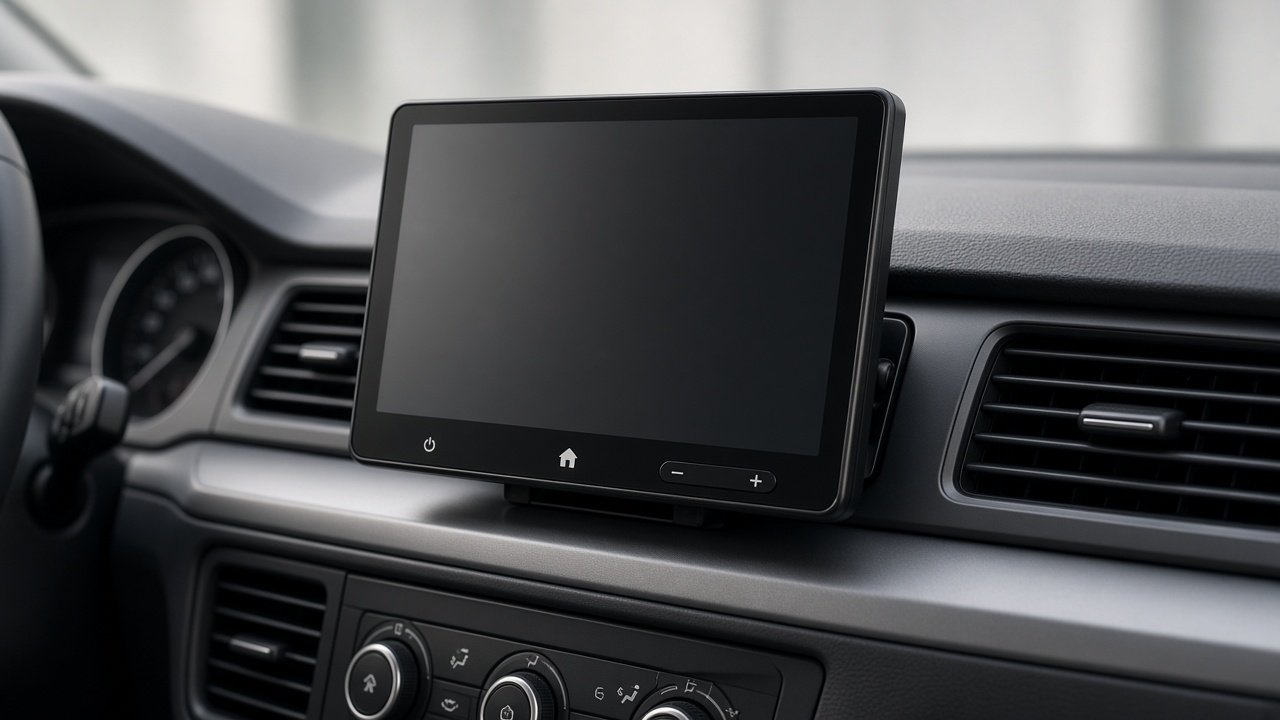
Sony XAV-AX8500 installation: verify chassis fit, floating-screen clearance, dash kit, harness, and factory-feature interfaces before you order the receiver.
 Moon Picke
Sony XAV-AX8500 installation: verify chassis fit, floating-screen clearance, dash kit, harness, and factory-feature interfaces before you order the receiver.
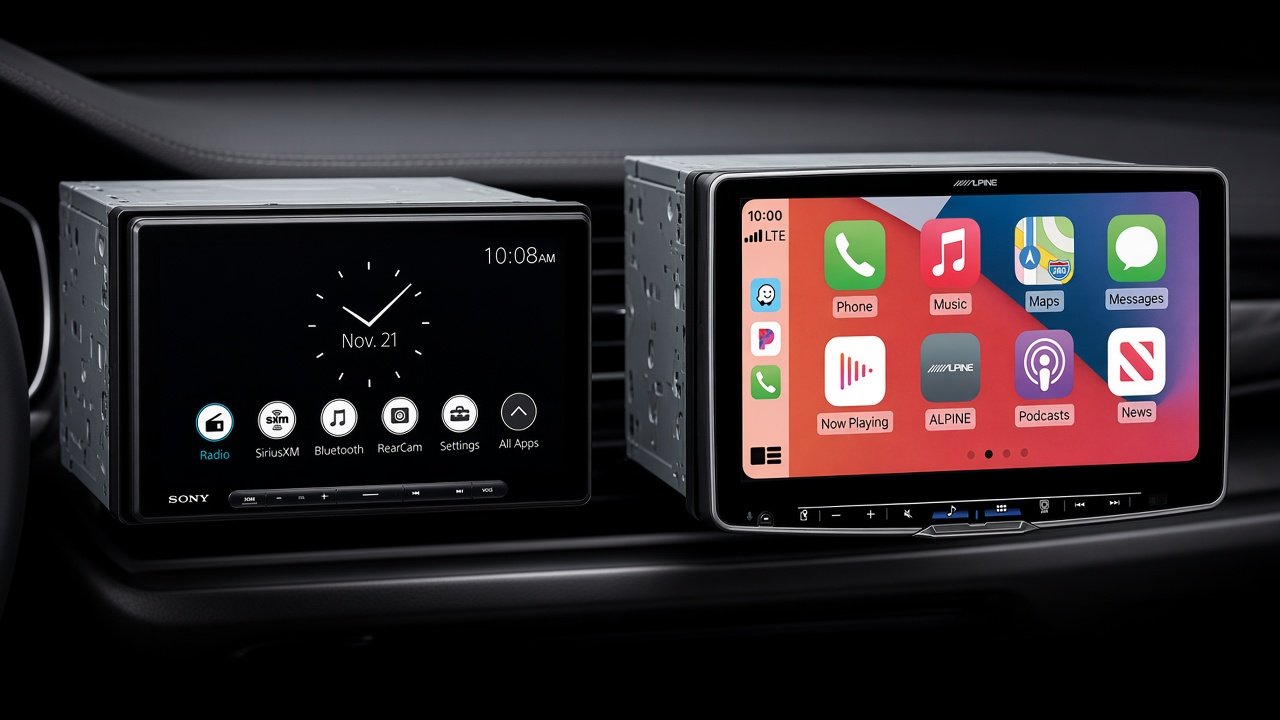
Sony XAV-AX8500 vs Alpine Halo11 (iLX-F511): 10.1-inch floating HD versus 11-inch Halo glass — choose on dash fit, I/O, and total install cost, not diagonal size.
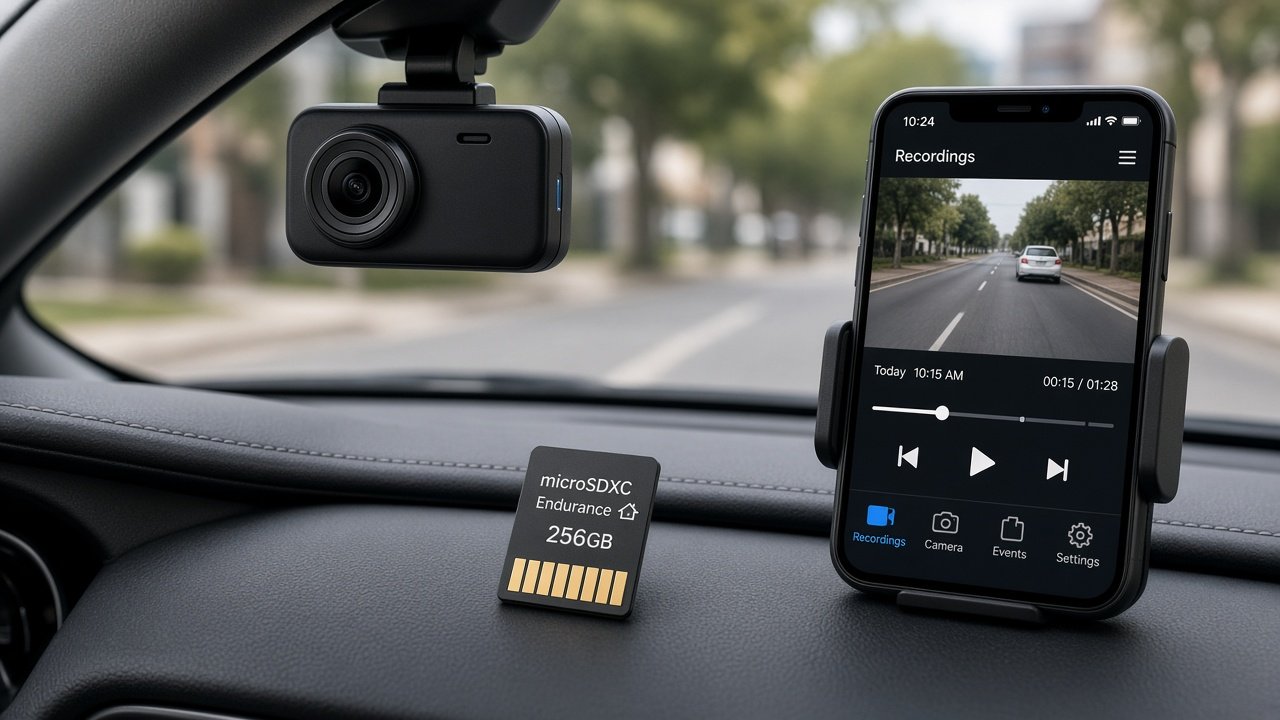
best dash cams without a subscription: local microSD recording, free app access, and optional cloud or LTE — not a required monthly plan.
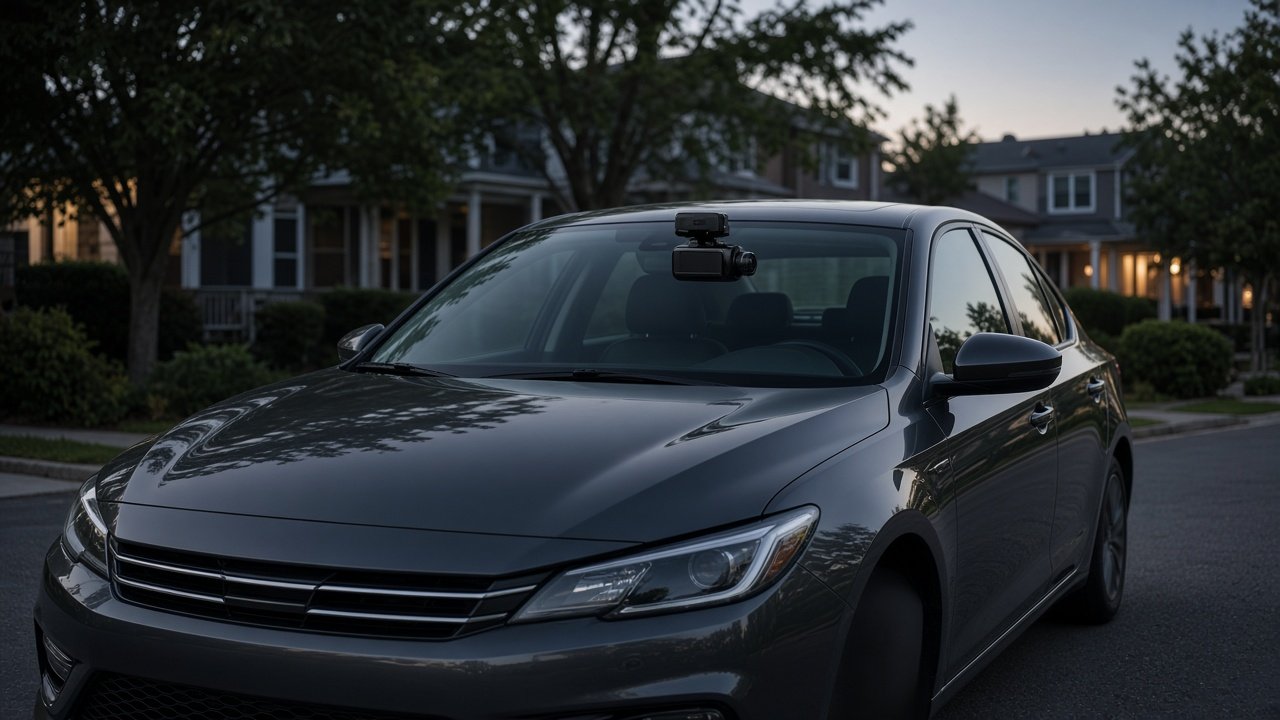
best dash cams for parking mode: buffered events, motion vs impact, time-lapse, hardwire power, and cloud alerts — not a 4K shootout.
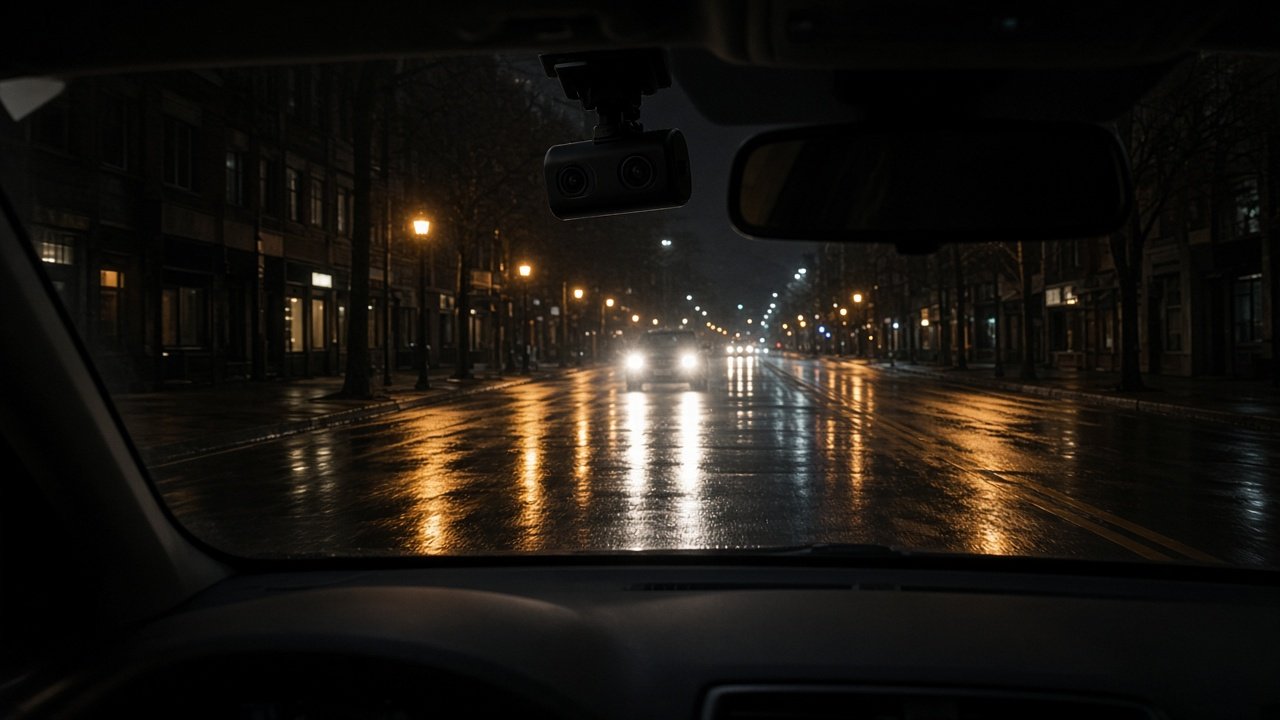
best dash cams for night driving: buy the imaging system — sensor, lens, HDR, exposure, and mounting — not the words STARVIS, 4K, or night vision alone.
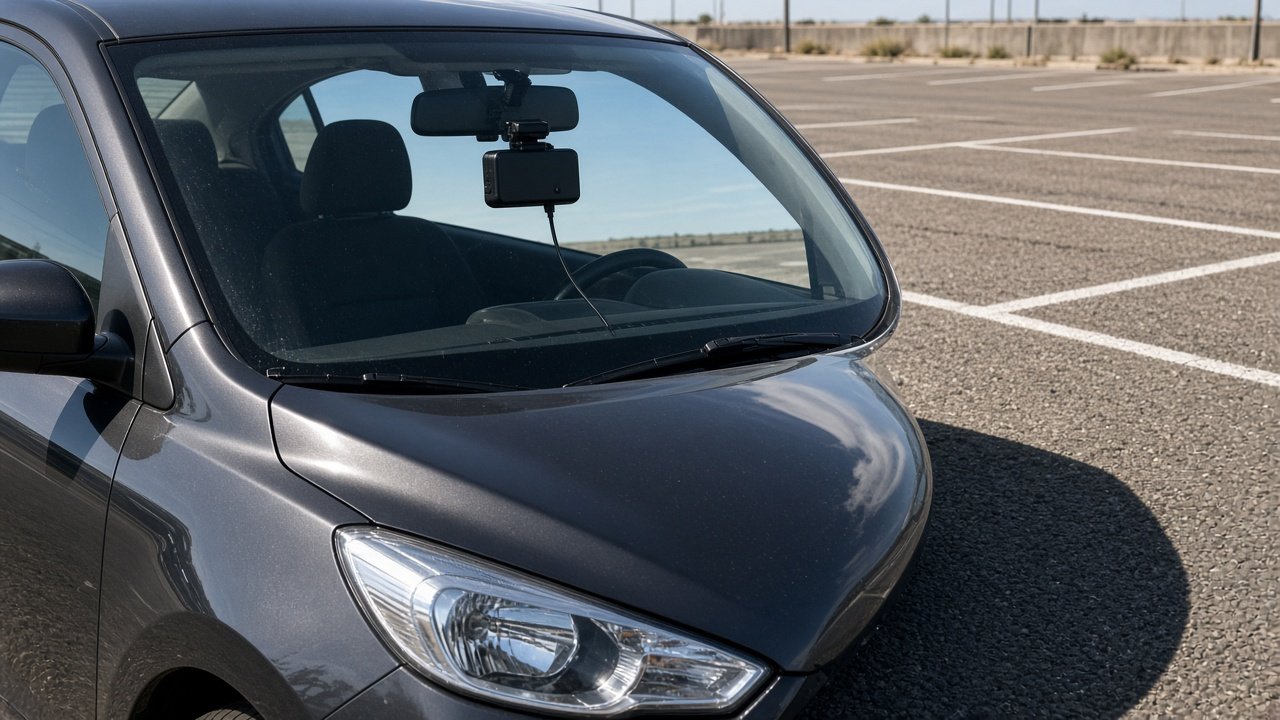
best dash cams for hot weather: verify operating and storage temperature, supercapacitor, parking power, and the memory card — not the word supercapacitor alone.
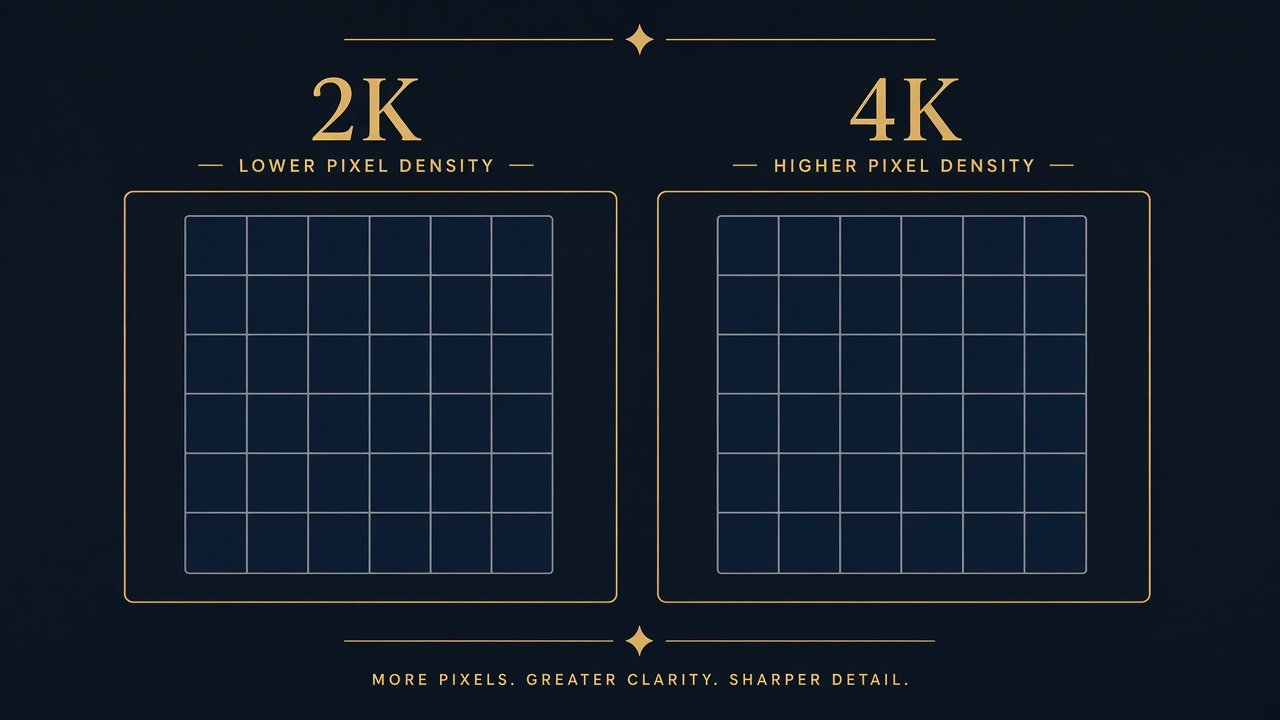
2K vs 4K dash cam: 4K can add crop and detail potential, but sensor, bitrate, HDR, and storage decide whether extra pixels are worth paying for.
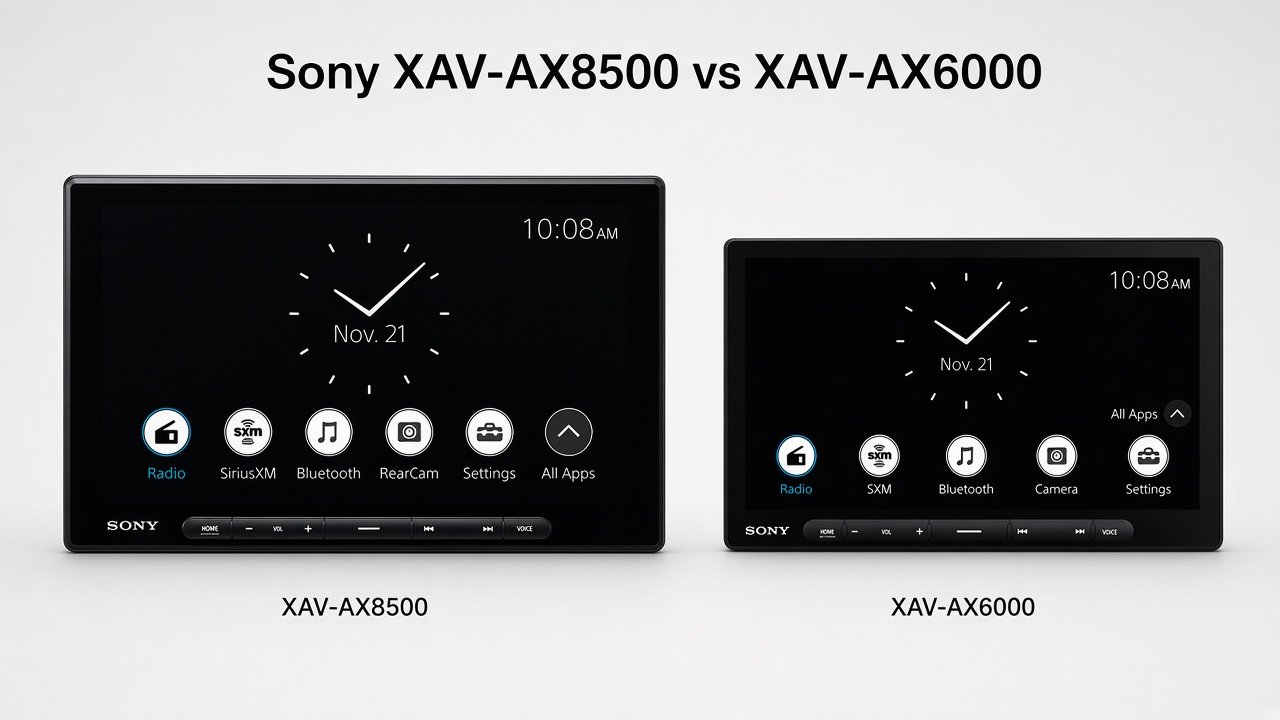
Sony XAV-AX8500 vs XAV-AX6000: 10.1-inch floating HD and three camera inputs versus a 6.95-inch face with the same CarPlay class — choose on display, dash fit, and install cost.
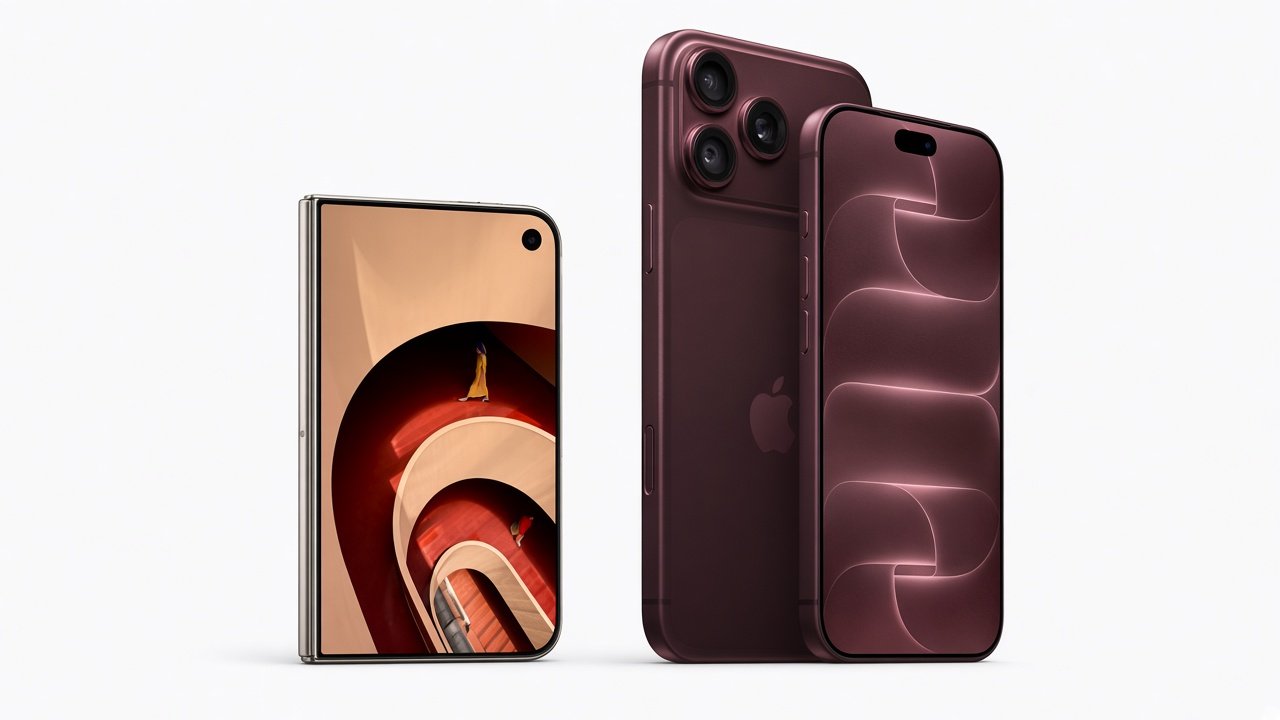
iPhone Duo vs iPhone 18 Pro: foldable book versus conventional Pro—size, cameras, battery claims, and who should pay the $800 256GB premium.
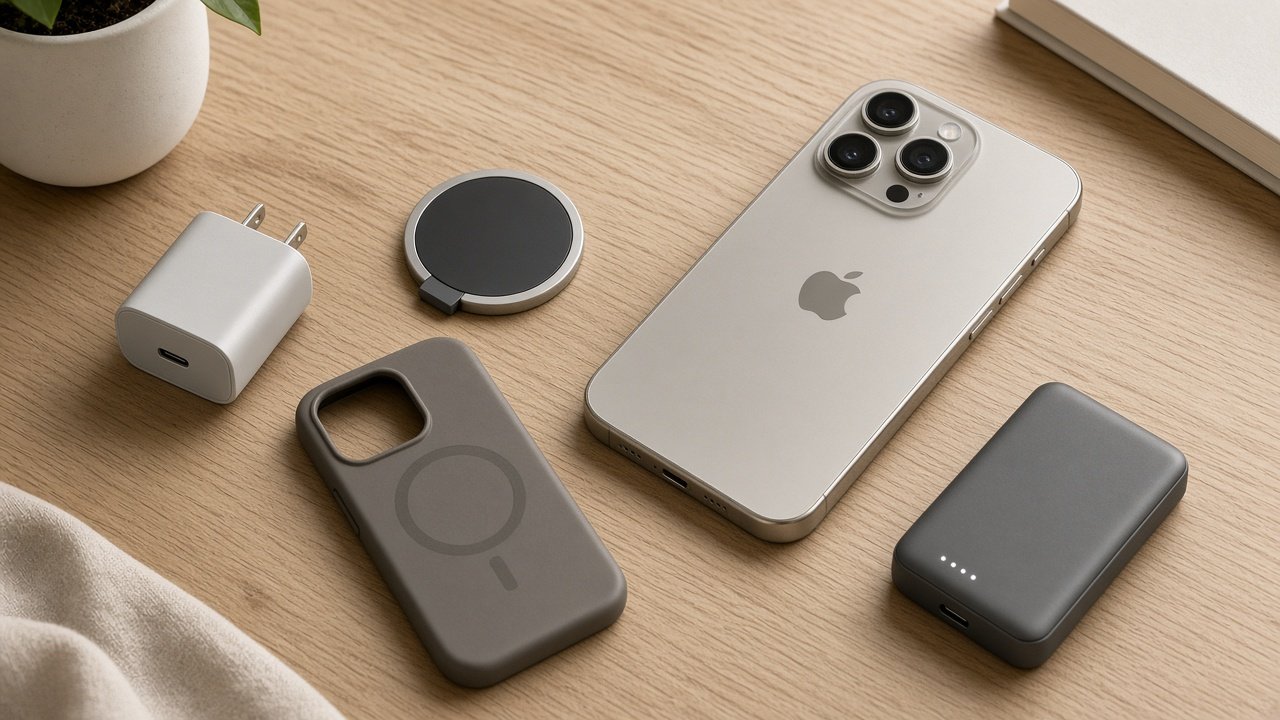
iPhone 18 Pro accessories: buy only for a real problem. Reuse USB-C charging; exact-fit cases and glass; skip the rest until a use case appears.